
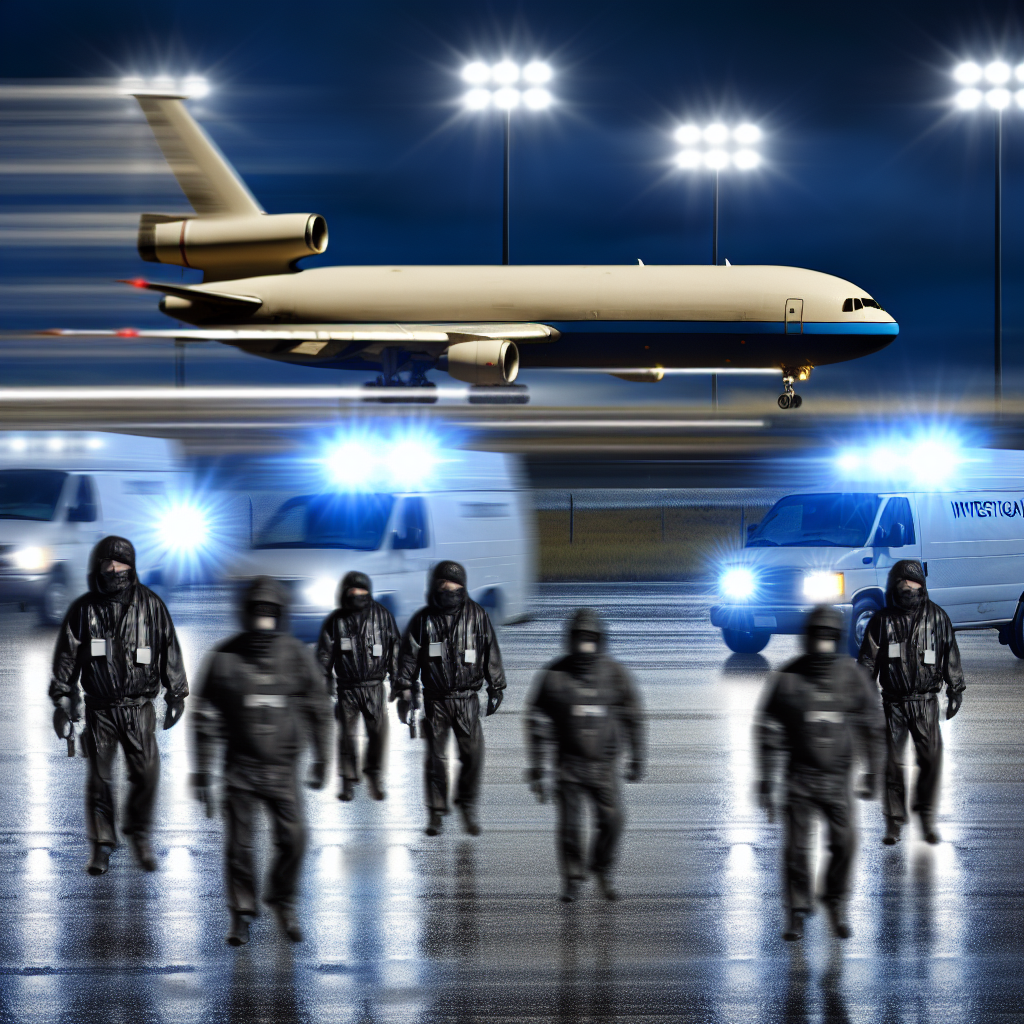
UPS pilots are mourning the loss of three crewmates killed when an MD-11 freighter crashed shortly after takeoff from Louisville on November 4, a tragedy that has since prompted an emergency pause of MD-11 flying and raised urgent questions about safety and network continuity heading into peak season. The Independent Pilots Association, which represents UPS flight crews, has joined the wider Louisville labor community in vigils and support efforts as authorities continue recovery and identification of victims. City officials now put the death toll at 14, including the three pilots.
Federal regulators moved swiftly over the weekend. On November 9, the FAA issued an emergency airworthiness directive requiring inspections before any MD-11 takes flight again. UPS and FedEx had already grounded their MD-11 fleets on the manufacturer’s recommendation, a step both carriers say is temporary while engineers and investigators assess risk. The MD-11 accounts for about 9% of UPS’s aircraft and roughly 4% of FedEx’s—a small slice of each fleet, but meaningful in fourth-quarter operations.
Investigators have released early clues without drawing conclusions. The NTSB said cockpit audio captured a repeating warning bell shortly after takeoff thrust was applied; eyewitness video and wreckage indicate the left engine separated and the jet never climbed much beyond treetop height before impact. The board is analyzing the voice and flight-data recorders while also reviewing recent heavy maintenance performed on the 34-year-old airframe. A preliminary report is expected in the coming weeks.
Human stories are at the heart of this loss. Friends and colleagues have been sharing memories of Capt. Richard Wartenberg, First Officer Lee Truitt and Capt. Dana Diamond—veteran aviators described by those who knew them as steady professionals and mentors. Those remembrances have poured in alongside union-organized vigils and community tributes across Louisville.
Why this matters to trucking: air capacity is a pressure valve for time‑definite freight. With MD‑11s sidelined, integrators are leaning on contingency plans that mix aircraft substitutions with ground and intermodal lift. Analysts say the depth and duration of the MD‑11 inspections will determine whether holiday shipping timelines feel a pinch. If the pause runs longer than a week or two, expect more expedited freight to spill onto highways, tighter overnight linehaul windows, and selective surcharges for speed-sensitive moves—especially around major sort hubs.
UPS resumed night operations in Louisville within roughly 24 hours of the crash and says service continuity plans are active; FedEx has signaled similar measures. Even so, the MD‑11 grounding introduces friction precisely when parcel networks ramp up for Black Friday and Cyber Week. For carriers and brokers, that translates into opportunities for hot‑shot and team capacity, but also a need to manage expectations on cutoffs and dwell near airport-adjacent freight parks as law‑enforcement perimeters shift.
For shippers, the playbook is straightforward: book earlier, build slack into promised delivery windows, and diversify modes where feasible—shifting some non-urgent air to ground, and some next-day commitments to two‑day where service levels allow. Public radio reports note that some express volume can migrate to passenger bellies and rail, but trucks will carry much of the slack if MD‑11 inspections stretch deeper into November.
As pilots, mechanics and investigators work through the facts, the APA-style counsel from union leaders bears remembering: resist speculation, let the investigation lead, and focus on caring for crews, families and the community. The freight market will adjust; honoring the people at the center of this tragedy comes first.
Sources: FreightWaves, Associated Press, Reuters, Washington Post, OPB/KPBS, People
This article was prepared exclusively for TruckStopInsider.com. Republishing is permitted only with proper credit and a link back to the original source.