
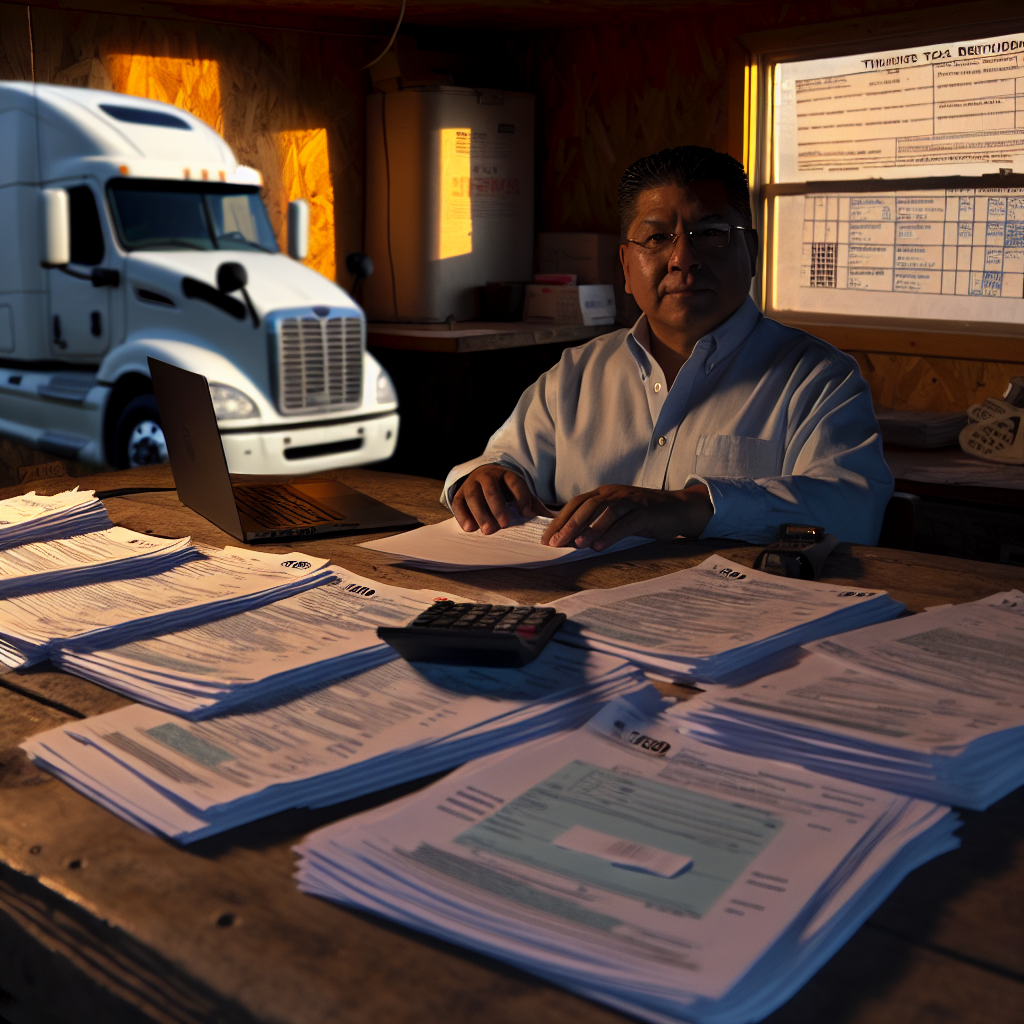
What’s new: Oregon and IRS start processing returns
Oregon and the IRS began processing electronically filed 2025 tax returns on January 26, 2026. Oregon’s Department of Revenue (DOR) says the first state refunds are expected as soon as February 17 for e-filed returns with direct deposit. Paper returns face longer timelines this year, with refunds not starting until early April due to delayed federal data that pushed back Oregon’s paper-processing schedule. For trucking businesses counting on cash flow, e-file early and choose direct deposit.
Oregon’s “kicker” will boost some refunds
Oregon’s $1.41 billion “kicker” is back and will be paid as a refundable credit on 2025 state returns filed in 2026. The kicker equals 9.863% of a taxpayer’s 2024 Oregon personal income tax liability, and you must file both a 2024 and a 2025 Oregon return to receive it. That credit either increases your refund or reduces what you owe—there’s no separate check. Nonresidents with Oregon-source income may also qualify.
Why it matters to fleets and owner-operators
Refund timing and accurate filing are especially critical in trucking, where fuel, maintenance, insurance, and payroll outlays can spike in the first quarter. Oregon DOR notes that e-filed returns with direct deposit typically fund within about two weeks, while paper filers will wait much longer this season. Expect slower updates if you mail a return—paper filings won’t even enter Oregon’s processing stream until late March, and status information won’t appear in “Where’s My Refund?” until then.
Filing checklist for trucking businesses
- Match income forms before filing. Ensure broker/carrier Forms 1099-NEC and any 1099-K/1099-MISC totals align with your books and settlement statements. Filing before all forms arrive can delay refunds if reported income doesn’t match IRS and state records.
- Document deductible expenses. Organize fuel, DEF, repairs, tires, tolls, parking, insurance, ELD subscriptions, licensing, and permits. Maintain trip sheets to support per diem and travel-related expenses.
- Fixed asset records. If you placed a tractor, trailer, APU, or major shop equipment in service during 2025, have purchase contracts, in‑service dates, and financing documents ready for depreciation reporting.
- Coordinate payroll and contractor compliance. Employers should confirm W‑2s were issued; contractors should verify 1099‑NEC totals against settlements before filing to avoid mismatch delays.
- Claim the Oregon kicker correctly. Multiply your 2024 Oregon tax liability by 9.863% or use the state’s calculator; you must file a 2025 Oregon return to receive the credit.
E‑file options and free help
Oregon recommends e‑filing—especially in 2026—to speed processing and refunds. In addition to commercial software and paid preparers, taxpayers can use Direct File Oregon (through Revenue Online) or other free filing options if they meet income and eligibility criteria. Free or low‑cost assistance is available via AARP Tax‑Aide, VITA, CASH Oregon, and United Way’s MyFreeTaxes program.
Avoid common mistakes that slow refunds
- Don’t file twice. Submitting both paper and e‑filed returns for the same taxpayer delays processing. Choose one method.
- Wait for all documents. Rushing to file without all W‑2s and 1099s is a top cause of refund delays.
- Mind the mail. If you must file by paper, Oregon warns that recent USPS changes could affect timely postmarks close to the April 15 deadline. Mail early or request an in‑person postmark no later than April 15.
- Watch offsets. State refunds—including kicker amounts—can be reduced to pay certain debts such as child support or court fines. Plan cash flow accordingly.
Dates to circle
- January 26, 2026: Oregon and IRS begin processing e‑filed returns.
- February 17, 2026: Earliest Oregon refunds for e‑filers with direct deposit.
- Late March 2026: Oregon begins processing paper returns; refund status for paper filers updates after that point.
- April 15, 2026: Federal and Oregon filing deadline for 2025 returns (extensions available).
Bottom line for trucking
For owner‑operators and fleet managers, e‑file with direct deposit as soon as your documents are complete to accelerate refunds and capture Oregon’s kicker on time. Double‑check broker settlements against 1099s, document big‑ticket equipment placed in service in 2025, and avoid duplicate filings. If you can’t e‑file, mail early and confirm a timely postmark. These steps can keep cash moving when your business needs it most.
Sources Consulted: Oregon Department of Revenue Newsroom; Oregon Department of Revenue “Oregon Surplus (Kicker)” page.
Need to file your Form 2290?
Join thousands of owner-operators and carriers who trust HeavyTax.com for fast and easy HVUT e-filing.
This article was prepared exclusively for truckstopinsider.com. For professional tax advice, consult a qualified professional.