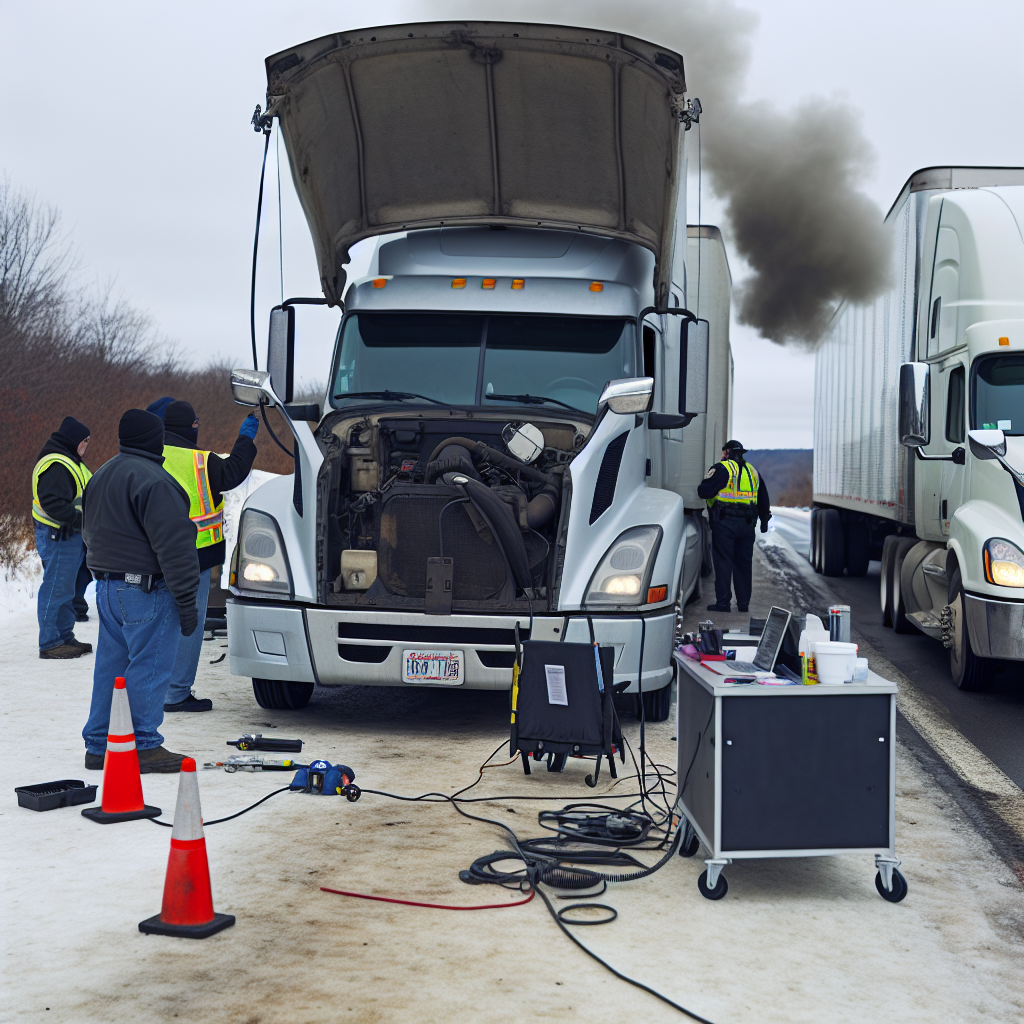
A fresh push in Washington could upend how emissions tampering on heavy‑duty trucks is policed. This week’s proposal on Capitol Hill would erase federal criminal and civil exposure tied to “deletes” and other emissions equipment modifications — a sweeping shift with major implications for fleets, dealer service bays and independent shops. (FreightWaves.)
The bill, introduced October 15 by Sen. Cynthia Lummis of Wyoming and titled the Diesel Truck Liberation Act, would bar the federal government from requiring manufacturers to install or maintain emissions controls or onboard diagnostics, strip EPA of authority to enforce Clean Air Act provisions related to such equipment, prohibit federal prosecutions and lawsuits over tampering, and retroactively vacate and expunge past emissions‑related convictions and records.
Local media in Lummis’ home state underscored the political backstory: the senator has pressed for a presidential pardon for Troy Lake, a Wyoming diesel mechanic imprisoned after admitting to Clean Air Act violations for delete work. In newscast coverage on October 16, Cowboy State Daily reported Lummis had already sent a pardon request and characterized the bill as “ambitious,” with one defense attorney calling its prospects a long shot in its current form.
Trade outlets quickly framed the measure in practical terms for operators and shops. CDLLife, summarizing the bill on October 16, emphasized its aim to halt enforcement actions for emissions control “deletes” and “tunes,” a change that, if enacted, would materially alter risk calculus for aftermarket service businesses and owner‑operators who have faced federal crackdowns.
Why it matters for trucking: If Congress were to adopt the Lummis plan, federal enforcement pressure — the primary deterrent against tampering for national fleets and service networks — would evaporate overnight. That could reduce compliance costs for operators battling aftertreatment reliability issues and cut legal exposure for shops, while potentially shifting any remaining oversight to state‑level statutes and inspection programs. For national carriers accustomed to uniform federal rules, a state‑by‑state patchwork would complicate maintenance policies, resale strategies and route planning across jurisdictions. (Analysis.)
Supply chain and equipment impacts: Retroactive relief would reverberate through warranty policies, resale values of modified trucks and the market for diagnostic software and aftermarket parts. Independent shops could see a surge in demand for performance tuning and repair work previously deemed too risky, while OEMs and dealers may face tougher questions about how they support emissions systems in regions where customers feel reliability and uptime pressures most acutely. (Analysis.)
What to watch next: committee referral, co‑sponsors and whether the final text addresses preemption — i.e., whether states could still run their own anti‑tampering regimes. Also watch for reactions from major trade groups and public‑health organizations; their stances will help determine whether the bill becomes a symbolic messaging effort or a live vehicle for negotiations on emissions enforcement and aftertreatment reliability. (Analysis.)
Sources: FreightWaves, U.S. Sen. Cynthia Lummis, Cowboy State Daily, CDLLife
This article was prepared exclusively for TruckStopInsider.com. Republishing is permitted only with proper credit and a link back to the original source.