What’s on offer
A new Craigslist posting in Utica, NY advertises immediate openings for six owner-operator cargo van drivers on a dedicated Monday–Friday auto parts route. The post lists a 6:30 a.m. start, roughly 275 miles and 25 stops per day, and a flat $320 daily rate. Candidates must be at least 21, bring their own cargo van and smartphone, maintain a clean MVR, and carry commercial auto insurance showing American Dedicated Logistics (ADL) as an additional insured. The ad specifies split-limit coverage of $100,000 per person/$300,000 per accident for bodily injury and $50,000 for property damage, plus a recent driving record. Applicants are directed to register with ADL and upload a signed W‑9, driver’s license, and SSN/EIN.
Independent contractor paperwork: what it means
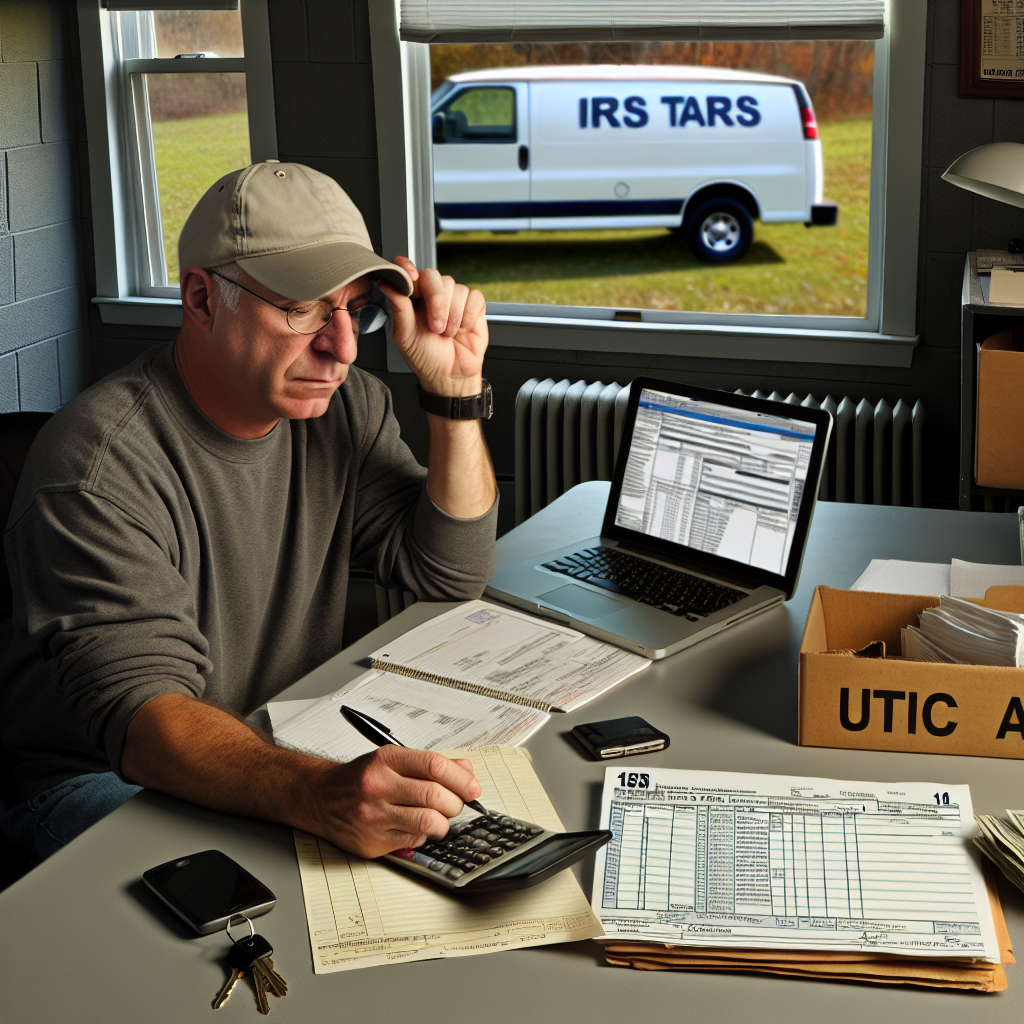
If you accept a 1099 role like this, you’ll be operating as an independent business. The W‑9 the post requires is the standard IRS form used to provide your legal name and taxpayer ID to a payer; it’s what enables the company to issue a 1099‑NEC for your earnings. Expect to handle quarterly estimated taxes and self-employment tax, since withholdings won’t be taken out of settlements. Review IRS guidance on W‑9 usage and 1099‑NEC reporting to avoid penalties and backup withholding.
Compliance snapshot for cargo vans in New York
Most cargo vans have a GVWR under 10,001 pounds. At the federal level, a USDOT number is generally required if you operate in interstate commerce and your vehicle is 10,001 pounds GVWR/GCWR or more, carry certain passenger counts, or haul placarded hazmat. New York is among the states that require USDOT numbers for many intrastate carriers, but the threshold still centers on 10,001+ pounds. In practical terms: a typical cargo van running intrastate auto parts with no hazmat often falls below the USDOT number trigger, but verify your van’s GVWR and your route’s status (intra- vs. interstate) before you begin.
Run the numbers before you run the route
- Daily rate vs. workload: $320 for ~275 miles and 25 stops implies tight dwell times. Gauge whether loading, wait time at parts counters, returns, and paperwork fit the clock.
- Fuel: Calculate using miles ÷ real-world MPG × local pump price. Vans commonly see mid-teens MPG under load; your actuals will vary with terrain and stop density.
- Insurance: Confirm your current commercial auto policy meets the post’s split limits and that your carrier will add ADL as an additional insured. Ask whether “primary and noncontributory” wording is required and whether a certificate holder update is needed.
- Maintenance and tires: A 275-mile daily cadence accumulates quickly—plan for oil, brakes, tires, and downtime. Build a cents-per-mile reserve for repairs and a separate fund for major replacements.
- Pay terms and deductions: Clarify settlement frequency, chargebacks (damages, missed stops, scanner fees), and who pays for uniforms, badges, and app subscriptions.
- Cargo claims and liability: Understand contract language around shortages/damages and any deductible you’re responsible for on claims.
- Subcontractor rules: The post allows listing subs; get the SOP and confirm who is liable for their compliance, accidents, and background checks.
Regulatory guardrails if you expand
If you later add interstate lanes or pull a trailer that pushes your combination to 10,001 pounds or more, expect federal registration and safety rules to apply, including a USDOT number and, if you haul for-hire across state lines, FMCSA operating authority and insurance filings. Staying intrastate and under 10,001 pounds generally keeps you outside many federal thresholds, but rules change with weight, commodity, and geography—check the FMCSA’s “Do I Need a USDOT Number?” guidance as your operation evolves.
Bottom line for owner-operators and fleets
For Utica-area cargo van O/Os, this ADL auto parts route is a straightforward, 1099 flat-rate opportunity with weekday predictability. The economics hinge on your true cost per mile and per stop, insurance terms, and how efficiently you can execute 25 daily stops without overtime creep. Nail down the contract details, validate insurance and tax obligations, and confirm whether any DOT registration applies to your specific vehicle and route profile. Do that homework up front, and you’ll know whether $320/day pencils out for your business.
Sources Consulted: Craigslist (Utica transportation jobs); Internal Revenue Service; Federal Motor Carrier Safety Administration.
Need to file your Form 2290?
Join thousands of owner-operators and carriers who trust HeavyTax.com for fast and easy HVUT e-filing.
This article was prepared exclusively for truckstopinsider.com. For professional tax advice, consult a qualified professional.